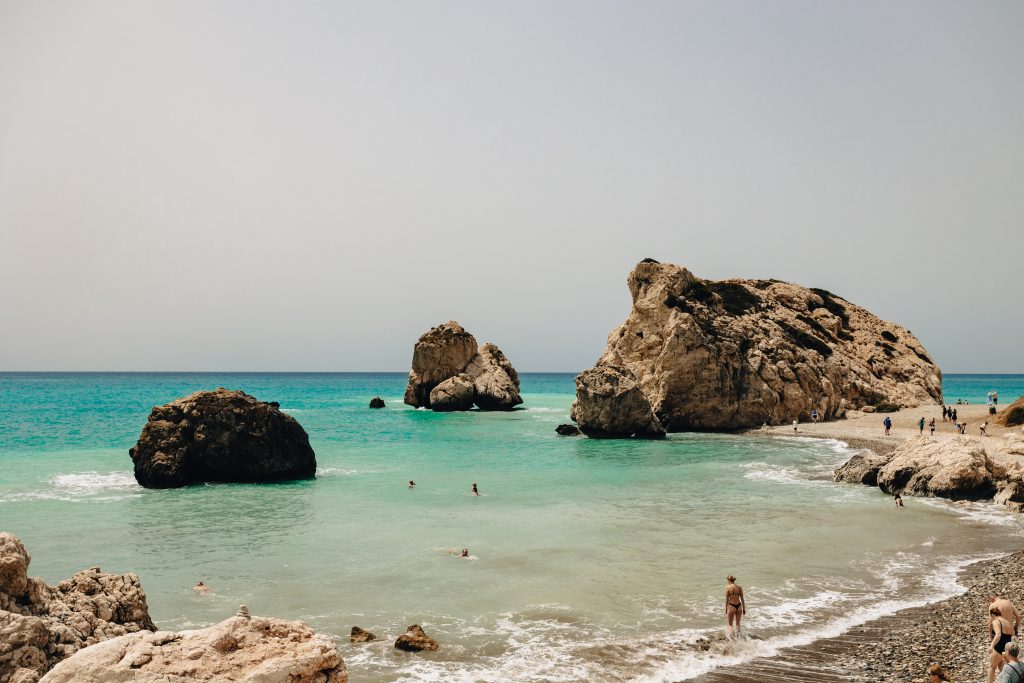
Cyprus offers investors far more than a Mediterranean lifestyle. The country combines a growing property market, a competitive tax regime, political stability and a straightforward Permanent Residency by Investment program. Together with modern infrastructure, high-quality healthcare and international education, these advantages continue to make Cyprus one of the most attractive destinations for property investment in Europe.
In this guide, you’ll find everything you need to know about living, investing and obtaining Permanent Residency in Cyprus.
Key Takeaways
- Cyprus combines EU membership, a stable economy and a business-friendly tax environment with an attractive Mediterranean lifestyle.
- The country offers a Permanent Residency by Investment programme from €300,000 + VAT, allowing eligible applicants to include family members.
- Strong foreign demand, record property transactions and continued infrastructure investment support the long-term growth of the real estate market.
- Limassol, Paphos, Larnaca and Nicosia each offer distinct investment opportunities, from luxury coastal developments to stable long-term rental markets.
- Cyprus provides high-quality healthcare, international education and modern infrastructure, making it an attractive destination for families, entrepreneurs and retirees.
- The Non-Dom tax regime and extensive network of double taxation agreements enhance Cyprus’ appeal for international investors and business owners.
- Although Cyprus is not yet part of the Schengen Area, it is a member of the European Union and the Eurozone, offering a stable legal framework and access to the European Single Market.
- Working with experienced local advisors can help simplify the property purchase process and ensure compliance with the requirements of the Cyprus Permanent Residency program.
Nature and Climate of Cyprus

Cyprus enjoys one of the warmest climates in Europe, with more than 300 days of sunshine each year. The Mediterranean climate brings long, dry summers and short, mild winters, allowing residents to enjoy outdoor activities throughout the year.
Summer temperatures along the coast typically range between 30°C and 35°C, while winter temperatures rarely fall below 10°C in the lowlands. The swimming season often extends from May until November, while the Troodos Mountains offer cooler temperatures during summer and occasional skiing during winter.
Despite its relatively compact size, Cyprus offers remarkable geographical diversity. Within a few hours’ drive, residents can experience sandy beaches, mountain villages, vineyards, pine forests and dramatic coastal cliffs.
Some of the island’s best-known natural attractions include:
- Aphrodite’s Rock (Petra tou Romiou)
- Akamas National Forest Park
- Cape Greco National Forest Park
- Troodos Mountains
- Avakas Gorge
- Nissi Beach
- Fig Tree Bay
- Lara Turtle Conservation Area
Cyprus is also recognised for its excellent coastal environment, with more than 50 beaches awarded the internationally recognised Blue Flag certification for water quality, safety and environmental management.
History and Culture of Cyprus
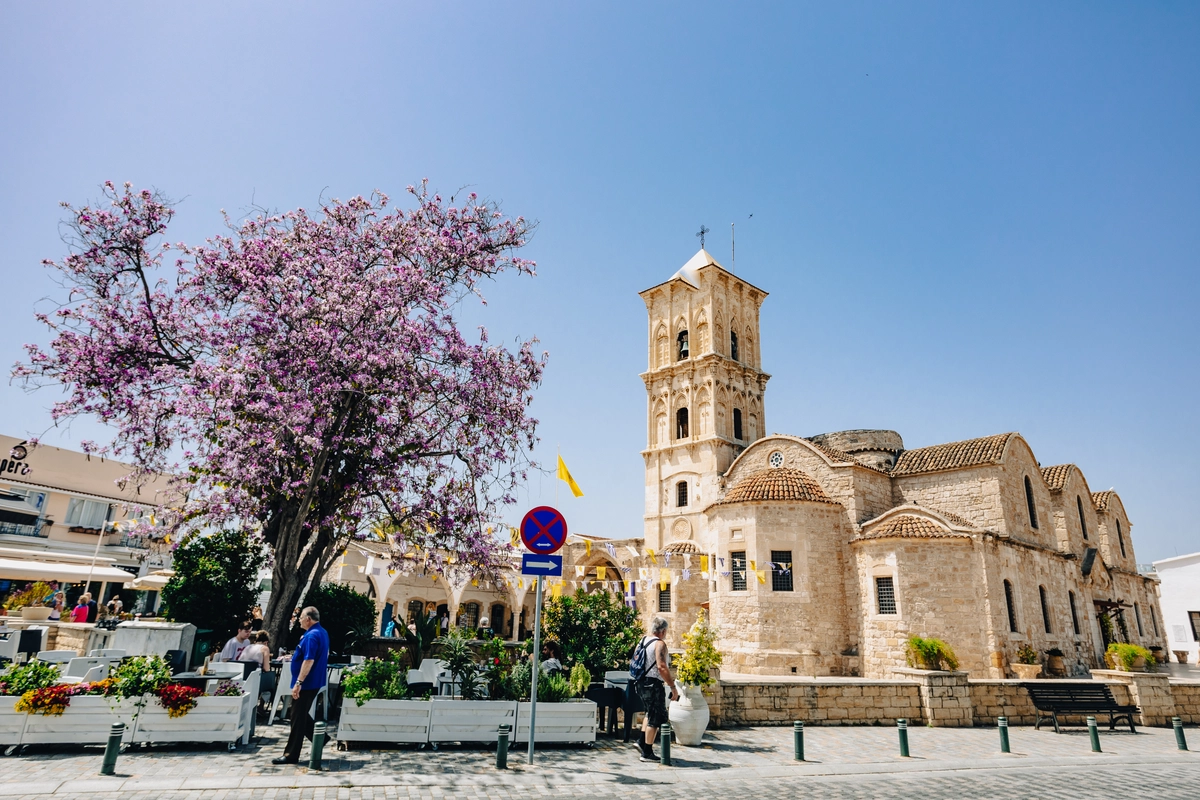
Cyprus is one of the oldest continuously inhabited islands in the Mediterranean, with evidence of human settlement dating back approximately 11,000 years.
Throughout its history, the island has been influenced by numerous civilisations, including the Greeks, Romans, Byzantines, Lusignans, Venetians, Ottomans and the British. These influences remain visible today in the country’s architecture, archaeological sites, cuisine and cultural traditions.
Visitors and residents can explore impressive historical landmarks throughout the island, including:
- Ancient Kourion
- Paphos Archaeological Park (UNESCO World Heritage Site)
- Kolossi Castle
- Kykkos Monastery
- Medieval castles
- Byzantine churches decorated with centuries-old frescoes
Cyprus is also closely associated with Greek mythology as the legendary birthplace of Aphrodite, the goddess of love.
Traditional villages continue to preserve local crafts, winemaking traditions and authentic Cypriot hospitality, while modern cities offer contemporary shopping, dining and entertainment.
EU Membership and the Schengen Area
Cyprus has been a member of the European Union since 2004 and joined the Eurozone in 2008, using the euro as its official currency. EU membership provides a stable legal framework, transparent property ownership regulations and access to the European Single Market.
While Cyprus is not yet a member of the Schengen Area, the country continues preparations for accession and has made substantial progress in meeting the required technical criteria. Until full accession takes place, Cyprus maintains its own border controls and entry requirements.
Population and Lifestyle of Cyprus
Cyprus has a population of approximately 1.3 million people and is home to a vibrant international community.
Greek and Turkish are the country’s official languages, while English is widely spoken throughout business, education, healthcare and government services. This makes daily life particularly convenient for international residents and investors.
Cypriots are known for their hospitality, strong family values and relaxed Mediterranean lifestyle. Cafés and restaurants form an important part of everyday life, with outdoor dining possible for much of the year thanks to the island’s favourable climate.
The country’s multicultural population continues to grow, particularly in cities such as Limassol, where professionals from across Europe, the Middle East and beyond have established homes and businesses.
International communities from the United Kingdom, Germany, Israel, Lebanon, and many other countries contribute to Cyprus’ cosmopolitan atmosphere.
Safety of Cyprus
Cyprus is recognised as one of the safest countries in the Mediterranean, offering a secure and stable environment for residents, families and international investors. Low levels of violent crime, political stability and a well-established legal system contribute to the island’s reputation as a desirable place to live and own property.
As a member of the European Union, Cyprus benefits from a transparent legal framework, strong property rights and modern public institutions. Everyday life is considered safe across the island’s major cities, with family-friendly neighbourhoods, well-maintained public spaces and a relaxed lifestyle.
According to the 2026 Numbeo Safety Index, Cyprus recorded a Safety Index of 66.4, placing it ahead of several popular European destinations, including Spain, Italy, France and the United Kingdom.
Sustainability and Environment of Cyprus
Environmental sustainability has become an increasingly important priority across Cyprus, particularly within the construction and real estate sectors.
New residential developments frequently incorporate energy-efficient technologies, including:
- Solar photovoltaic systems
- High-performance insulation
- Energy-efficient glazing
- Smart home technologies
- Water-saving systems
Developers increasingly design projects to meet modern European energy efficiency standards, helping homeowners reduce utility costs while minimising environmental impact.
Several municipalities have introduced initiatives promoting sustainable urban development, improved waste management and the expansion of electric vehicle charging infrastructure.
The island’s building regulations also include strict seismic standards, ensuring modern developments are designed to withstand regional geological conditions.
Infrastructure of Cyprus

Despite its island location, Cyprus offers highly developed infrastructure that supports both residents and international businesses.
The country benefits from two international airports in Larnaca and Paphos, providing direct connections to hundreds of destinations across Europe, the Middle East and beyond.
Road infrastructure is among the most modern in the region, with well-maintained motorways connecting all major cities. Although Cyprus does not currently operate a railway network, travelling between cities is straightforward thanks to an extensive road system and public bus services.
Daily life is supported by modern amenities, including:
- International shopping centres
- Premium marinas
- Sports facilities
- Restaurants and cafés
- Private and public hospitals
- Universities
- International schools
- Business centres
Cyprus has also become an increasingly important regional hub for technology companies, fintech firms, professional services and international headquarters, particularly in Limassol and Nicosia.
Economy of Cyprus
Cyprus has one of the most resilient and diversified economies in the Eastern Mediterranean. As a member of both the European Union and the Eurozone, the country offers investors political and economic stability, access to the European Single Market of more than 450 million consumers and the convenience of conducting business in euros.
The country’s economy has demonstrated strong resilience in recent years. Real GDP grew by 3.8% in 2025, one of the fastest growth rates in the European Union, while nominal GDP reached approximately €36.5 billion. Growth was driven primarily by information and communication technologies, tourism, construction, wholesale and retail trade.
Cyprus has also regained investment-grade sovereign credit ratings from all three major international rating agencies — S&P Global Ratings (A-), Fitch Ratings (A-) and Moody’s (A3) — reflecting sound public finances, a resilient banking sector and prudent fiscal management.
The economy is driven by several highly developed sectors:
- Financial and professional services
- Real estate and construction
- Tourism and hospitality
- Shipping and maritime services
- Information and communication technology (ICT)
- Higher education
- Healthcare
- Renewable energy
Cyprus is internationally recognised as one of the world’s leading ship management centres, operating one of the largest merchant fleets in the European Union. Its strategic location at the crossroads of Europe, the Middle East and North Africa has also established the island as an important regional hub for international trade, logistics and professional services.
The technology sector has become one of the country’s fastest-growing industries. Limassol and Nicosia have attracted hundreds of international companies specialising in fintech, software development, online gaming, artificial intelligence and digital services, creating highly skilled jobs and increasing demand for both residential and commercial real estate. The continued inflow of foreign direct investment and international professionals has further strengthened the property market and supported long-term economic growth.
Real Estate Market of Cyprus
Cyprus offers one of the Mediterranean’s most attractive property markets, combining competitive pricing with strong lifestyle appeal and long-term investment potential.
International demand remains supported by overseas buyers seeking holiday homes, permanent residences, rental investments and relocation opportunities. Limited land availability in prime coastal locations and continued infrastructure investment have also contributed to sustained market growth.
The local market continues to demonstrate strong momentum. During the first half of 2026, a record 10,007 property transactions were completed, marking a 14.6% increase compared with the same period in 2025 and the first time the six-month total has exceeded 10,000 transactions. The total value of these transactions reached €2.23 billion.
June 2026 became the strongest month on record, with 1,964 property sales, representing a 27% year-on-year increase. Limassol remained the country’s largest real estate market, recording 3,264 transactions during the first six months of the year (+19.8%) and accounting for 41% of the total transaction value, or approximately €906 million. Paphos recorded the fastest growth among the major districts, with transaction volumes increasing by 20.5%.
International demand continues to play a key role in the market. Foreign buyers completed 4,151 property purchases during the first half of 2026, with nearly two-thirds of these transactions involving non-EU nationals. Paphos remains particularly popular among overseas investors, where 41.2% of all property purchases were made by international buyers.
Property prices have also continued to rise, reflecting sustained demand. Apartment prices increased by 10.8% year-on-year, while house prices grew by 3%, supported by continued foreign investment, business relocation and limited supply in prime coastal locations.
Popular Locations for Property Investment
Limassol
Limassol is Cyprus’ leading financial and business hub, home to multinational corporations, fintech companies, shipping firms and international headquarters. The city has one of the island’s largest expatriate communities and offers luxury seafront developments, premium marinas, Grade A office space, high-end retail and a vibrant restaurant and nightlife scene.
The combination of strong business activity, international relocation and limited supply of prime coastal property continues to support high demand for both owner-occupied and rental housing, making Limassol one of Cyprus’ most established real estate markets.
Paphos
Paphos is renowned for its Mediterranean lifestyle, UNESCO-listed archaeological sites and scenic coastline. The city attracts retirees, families, holiday-home buyers and permanent residency applicants thanks to its relaxed atmosphere, international community and excellent value compared with other coastal destinations.
The property market includes modern apartments, luxury villas, golf resort residences and beachfront developments, with demand supported by tourism and overseas buyers seeking second homes or long-term relocation.
Larnaca
Larnaca has become one of Cyprus’ fastest-growing property markets, driven by major infrastructure projects, the redevelopment of its marina and port, new residential developments and continued investment along the city’s seafront.
As home to Cyprus’ largest international airport, Larnaca benefits from excellent connectivity and growing demand from both local and international buyers. Property prices generally remain more affordable than in Limassol, offering attractive long-term growth potential.
Nicosia
As the capital of Cyprus, Nicosia is the country’s administrative, financial and educational centre. Government institutions, international businesses, universities and corporate headquarters generate steady demand for residential and commercial property throughout the year.
Unlike the coastal cities, Nicosia’s market is primarily driven by permanent residents rather than tourism, making it particularly attractive for investors seeking stable long-term rental income from professionals, students and local families.
Cyprus Permanent Residency by Investment
Cyprus offers a straightforward route to lifetime permanent residency for eligible non-EU nationals through an investment in qualifying new residential property.
The program’s key features include:
- Minimum investment of €300,000 + VAT in new residential real estate from a developer.
- Processing from approximately 8 months.
- Permanent residency for the main applicant, spouse and dependent children up to 25 years old.
- Only one visit to Cyprus is required to provide biometric data.
- The residence permit remains valid for life, provided the qualifying investment is maintained and the applicant visits Cyprus at least once every two years.
- The property may be rented out, allowing investors to generate rental income while maintaining their residency status.
To qualify, applicants must demonstrate a secure annual income from abroad, provide a clean criminal record, satisfy the program’s due diligence requirements and maintain the qualifying investment.
Tax Advantages
One of the country’s most significant incentives is the Non-Dom regime. Individuals who become Cyprus tax residents and qualify as non-domiciled are exempt from the Special Defence Contribution (SDC) on dividend income, interest income and most rental income for 17 years. This makes Cyprus particularly attractive for business owners, shareholders and investors with international income.
Other key tax advantages include:
- No inheritance or estate tax.
- No net wealth tax.
- No tax on gains from the disposal of securities, including shares and many other financial instruments, subject to the applicable tax rules.
- More than 65 double taxation agreements, helping to reduce or eliminate double taxation on cross-border income.
- A transparent and internationally recognised tax framework aligned with EU and OECD standards.
How to Qualify
To benefit from Cyprus’ Non-Dom tax regime, you must first become a Cyprus tax resident. This can be achieved by meeting either the 183-day rule or, if eligible, the 60-day rule.
To qualify under the 60-day rule, you must:
- Spend at least 60 days in Cyprus during the tax year.
- Not be a tax resident of any other country.
- Not spend more than 183 days in any other single country during the tax year.
- Maintain a permanent residential property in Cyprus (owned or rented).
- Carry on a business, be employed, or hold an office in a Cyprus tax-resident company.
Once you become a Cyprus tax resident, you may qualify for Non-Dom status if you are not considered domiciled in Cyprus under the country’s tax legislation. In general, this applies to individuals who have not been Cyprus tax residents for at least 17 of the previous 20 years.
Healthcare in Cyprus
Cyprus offers a high-quality healthcare system that combines the public General Healthcare System (GeSY) with an extensive network of modern private hospitals and specialist clinics.
The island is home to internationally accredited medical facilities equipped with advanced diagnostic and treatment technologies across specialties including cardiology, oncology, orthopaedics, fertility treatment and cosmetic surgery. Many doctors have completed their education or specialist training in the United Kingdom, Germany, Greece and other European countries, while English is widely spoken throughout the healthcare sector.
Residents have access to pharmacies in all major towns and most villages, with many operating extended hours or on a rotating on-call basis outside normal business hours.
Cyprus is also becoming an increasingly popular destination for medical tourism, particularly in fertility treatment, cosmetic procedures and dental care, thanks to its high standards of care and competitive costs.
Combined with a Mediterranean climate, clean environment and active outdoor lifestyle, Cyprus provides an attractive setting for families, retirees and professionals seeking a healthy work-life balance.
Education in Cyprus
Cyprus offers a diverse and internationally oriented education system, making it an attractive destination for families relocating from abroad.
The island is home to numerous private and international schools offering British, American, International Baccalaureate (IB) and other internationally recognised curricula. Many schools prepare students for IGCSE, A-Level, Advanced Placement (AP) and IB Diploma examinations, allowing graduates to continue their studies at leading universities worldwide.
Several schools offer bilingual education and maintain small class sizes, modern campuses and extensive extracurricular programs, including sports, music and performing arts.
Higher education is equally well established. Cyprus hosts internationally recognised institutions such as the University of Cyprus, Cyprus University of Technology, the University of Nicosia and European University Cyprus, attracting students from Europe, the Middle East and beyond. Many degree programs are taught entirely in English, particularly in medicine, business, engineering and technology.
The widespread use of English in both schools and universities makes the transition particularly straightforward for international families, while the country’s safe environment and multicultural communities further enhance its appeal as a long-term place to live and study.
Why Choose Astons?
Purchasing property in Cyprus and obtaining Permanent Residency requires an in-depth understanding of the local real estate market, legislation and the requirements of the investment programme.
Astons helps clients find property that matches their objectives, whether they are seeking rental income, long-term capital appreciation, relocation or Cyprus Permanent Residency. We provide end-to-end support throughout the entire process, from property selection and document preparation to completing the transaction and securing residency by investment.
Frequently Asked Questions
Why invest in Cyprus real estate?
Cyprus combines a stable European economy, a transparent legal system and a strong property market with an exceptional Mediterranean lifestyle. Investors benefit from a wide selection of residential and commercial properties, growing demand in key locations and the opportunity to obtain Cyprus Permanent Residency through a qualifying investment.
What is the minimum investment for Cyprus Permanent Residency?
Can my family obtain Cyprus Permanent Residency?
Can I rent out my property?
Can I work in Cyprus with Permanent Residency?
Is Cyprus a good place to retire?
What taxes do foreign property owners pay?
Is English widely spoken?
Which cities are best for property investment?
Is Cyprus part of the European Union?
Is Cyprus part of the Schengen Area?
Astons Community on social media




We’ll review your case and find the optimal path
In a 30-minute consultation, we will:
- Identify the program that best suits your needs
- Discuss the investment process and documentation
- Provide detailed insights into potential risks and pitfalls
- Initiate an internal assessment of your case’s success potential